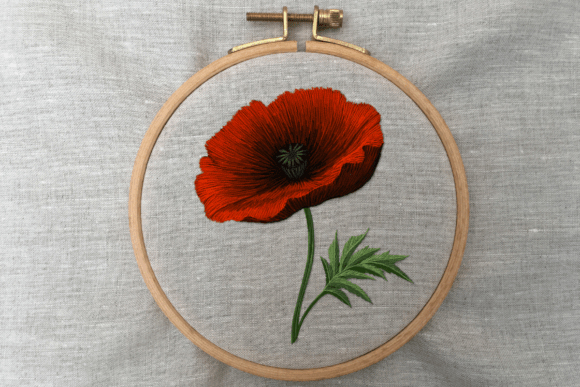
Review: Poppy Bloom Hand Embroidery Pattern for Craft Fairs
As an embroidery designer who has spent countless weekends behind a booth table, I know that not every design translates into a bestseller. Some patterns look beautiful on a screen but fail to catch the eye in a crowded market. Others are so complex they become a production nightmare when you need to make twenty units before Saturday morning. Recently, I evaluated the Poppy Bloom Hand Embroidery Pattern with a specific goal in mind: determining its viability as a core product for my upcoming craft fair lineup. This review is written for fellow Etsy sellers, boutique makers, and creative entrepreneurs who need to know if a design will actually move inventory.
First Impressions: Bold, Modern, and Marketable
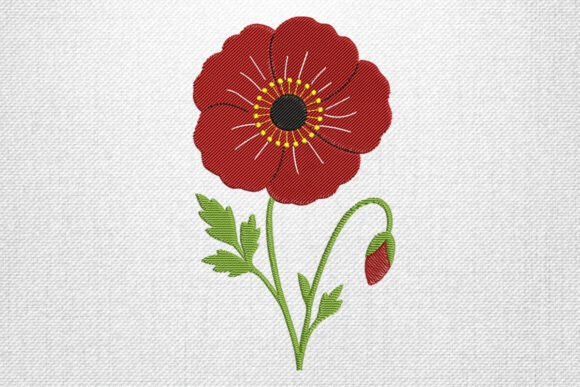
The first thing that strikes me about the Poppy Bloom Hand Embroidery Pattern is its visual clarity. In the world of Hand Embroidery Patterns, poppies are a classic motif, but they can often feel overly traditional or cluttered. This design, however, leans into a modern, graphic aesthetic. It feels bold yet soft, striking a balance that appeals to a wide demographic. For a craft fair seller, this is crucial. You have seconds to capture a passerby’s attention. A design that reads clearly from three feet away is infinitely more valuable than one that requires close inspection.
The description notes that this is a PDF instant download suitable for advanced beginners and intermediate stitchers. This positioning is smart. It suggests the design is accessible enough for hobbyists to buy as a digital embroidery file for personal use, yet refined enough for professionals to incorporate into a finished product. The floral nature of the pattern gives it a timeless appeal, avoiding trends that might date quickly, which is essential for building a sustainable small shop product line.
Product Versatility: Where This Design Shines
When preparing a table display, I always look for designs that are versatile. The Poppy Bloom Hand Embroidery Pattern performs exceptionally well across several key categories. Here is how I envision it working in a real-world retail environment:
- Tote Bag Design: This is arguably the strongest application. A large, centered poppy on a natural canvas tote creates an instant statement piece. The organic shape of the flower complements the casual vibe of market bags, making it a high-impulse buy.
- Apron Embroidery: For kitchen-focused buyers, placing this bloom on the bib of a linen apron adds a touch of elegance. It transforms a utilitarian item into a giftable keepsake.
- Tea Towel Embroidery: While delicate, the design works on hemmed edges of tea towels. However, care must be taken with fabric texture; a smooth linen works better than a waffle weave, which might distort the lines.
- Embroidered Patch: If you offer patches, this design’s clear outlines make it ideal for iron-on or sew-on applications. It allows customers to add a pop of color to denim jackets or backpacks without committing to a full garment.
- Pillow Covers and Pouches: As a focal point on a small cushion or a zippered pouch, the poppy adds a premium feel. It elevates simple cotton or canvas goods into higher-priced items.
For those who also work with machines, adapting this into a machine embroidery design could expand your reach. However, since this is marketed as a hand embroidery pattern, the charm lies in the visible, tactile quality of the stitches. This handmade imperfection is exactly what craft fair product buyers are looking for.
Production Practicality and Batch Selling
From a business perspective, the most important question is: Can I produce this efficiently? The Poppy Bloom Hand Embroidery Pattern appears to have a manageable level of detail. It does not seem to rely on microscopic details that would slow down production or frustrate intermediate stitchers. This makes it excellent for batch production. You can hoop multiple items, set up your threads, and create a cohesive collection.
Photography is another critical factor. This design photographs beautifully for online listings. The contrast between the vibrant reds and oranges of a poppy against neutral fabrics creates high-engagement images for your Etsy seller profile. When creating a printable mockup or staging real photos, the bold lines ensure the design remains visible even in thumbnail views. This visual strength directly impacts click-through rates and buyer engagement.
Careful-Use Notes for Designers
While the design is strong, there are practical considerations to keep in mind to ensure quality control:
- Fabric Choice: Avoid highly textured towels or thick, nubby fabrics where the finer details of the petals might get lost. Smooth cotton, linen, or canvas provides the best canvas for this Graphics style pattern.
- Dark Fabrics: If stitching on dark fabric, ensure you use a stabilizer that prevents puckering and choose thread colors with high contrast. A dark red poppy on navy blue may lack definition unless outlined effectively.
- Curved Surfaces: Stitching on caps requires experience. The curvature can distort the shape of the bloom. Test extensively on scrap fabric before committing to final products.
- Size Clarity: Ensure the design is scaled appropriately. If shrunk too small for a pocket accent, the intricate parts of the flower may merge. Keep it large enough to breathe.
Enhancing Brand Consistency and Value
Incorporating the Poppy Bloom Hand Embroidery Pattern into your lineup helps establish brand consistency. If your brand identity leans toward botanical, rustic, or modern farmhouse aesthetics, this design reinforces that narrative. It signals to customers that your handmade product offerings are curated and thoughtful.
Furthermore, using a single, strong motif across different items—such as matching tote bags and pouches—creates opportunities for bundling. Customers love coordinated sets. By offering the pattern as a digital download alongside finished goods, you cater to both the DIY community and the ready-to-buy shopper, maximizing your revenue streams from a single design assets purchase.
Designer’s Checklist Before Production
Before you launch this design at your next market, follow these professional steps:
- Test on Scrap Fabric: Always stitch a sample on the exact fabric you plan to sell. Check how the threads interact with the weave.
- Check Thread Contrast: Ensure your chosen thread colors pop against the background. Vibrant reds, corals, and deep greens usually work best for poppies.
- Confirm Hoop Size: Verify the recommended hoop size fits your intended product. A 6-inch hoop might be perfect for a tote, but too large for a small pouch.
- Inspect Stitch Density: For hand embroidery, ensure the pattern doesn’t call for excessive overlapping stitches that could bulk up the fabric unnecessarily.
- Use the Right Stabilizer: Even for hand embroidery, a light stabilizer can help keep the fabric taut and prevent distortion during stitching.
- Review Licensing: Since this is a PDF instant download, carefully read the included instructions regarding commercial use. Confirm you have the right to sell commercial embroidery items made from this pattern. If the license terms are not explicitly clear in the description, contact the designer before selling.
In conclusion, the Poppy Bloom Hand Embroidery Pattern is a strong contender for any craft fair vendor’s portfolio. Its blend of modern simplicity and floral charm makes it adaptable, photogenic, and efficient to produce. By paying attention to fabric choices and licensing details, you can turn this digital asset into a profitable line of tangible, beloved goods.