Reviewing Christian Cross Embroidery for Business Use
As an embroidery designer who has spent years digitizing and testing files for small businesses, I approach every new machine embroidery design with a critical eye. It is not just about aesthetics; it is about functionality, durability, and brand alignment. Recently, I evaluated the Christian Cross Embroidery file to determine its viability for commercial applications. For boutique owners, café operators, and handmade brands, integrating faith-based symbols requires a delicate balance of reverence and professional presentation. This review explores how this specific digital embroidery file performs in real-world scenarios, from staff uniforms to retail merchandise.
First Impressions: Visual Personality and Professionalism
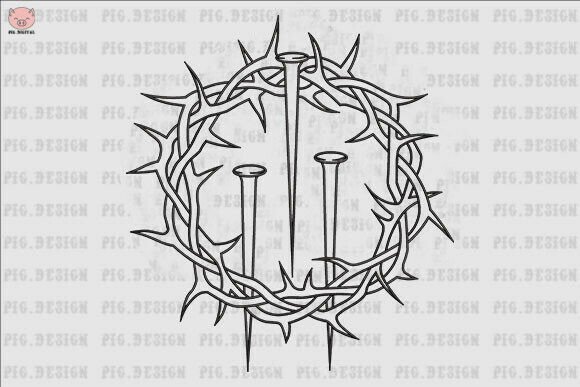
The immediate impression of the Christian Cross Embroidery is one of classic elegance. In the realm of Religion and Embroidery, designs often lean heavily into ornate details or overly complex shading. However, this design appears to prioritize clarity and structure. For a business owner, this is crucial. A logo or symbol used on merchandise must be recognizable at a glance. The lines feel clean, suggesting that the digitizer paid attention to stitch direction and flow. It does not scream "playful" or "rustic" but rather exudes a sense of premium stability. This makes it an excellent candidate for brands that want to project trust, tradition, and community values. Whether you are running a local bakery with a faith-based mission or a boutique selling inspirational goods, the visual weight of this design supports a serious, respectful brand identity.
Real-World Applications for Small Business Merch
When considering small business merch, versatility is key. I tested the potential of this design across several common product categories. Here is how it performs in specific use cases:
- Embroidered Patches: This is perhaps the strongest application. A well-digitized cross makes for a powerful embroidered patch that can be sewn onto denim jackets, canvas bags, or hats. Patches allow customers to buy into your brand identity without committing to a full garment purchase.
- Staff Uniforms and Aprons: For cafés or bookstores, placing this design on the chest pocket of an apron embroidery setup adds a subtle touch of professionalism. It signals values without being overpowering. Ensure the placement is consistent across all staff members to maintain visual consistency.
- Cap Embroidery: Front-panel cap embroidery requires a design with a moderate width. If the Christian Cross Embroidery is too wide, it may wrap around the curve of the cap, distorting the image. I recommend checking the width dimensions against standard cap hoops before production.
- Tote Bag Design: Canvas tote bags are a staple for eco-conscious brands. This design works well as a central focal point or a corner accent. The contrast between the thread and the natural fabric texture can create a high-end, handmade look.
For Etsy sellers and crafters, this design can also serve as a standalone product. Selling pre-embroidered items or offering custom custom apparel services using this asset can diversify your revenue streams. The key is to present it as part of a cohesive collection rather than an isolated graphic.
Navigating Technical Challenges and Fabric Constraints
While the design is visually appealing, technical execution is where many small businesses fail. You must consider stitch density and fabric compatibility. If the design has high stitch density, it may cause puckering on lightweight fabrics like thin cotton t-shirts or silk blends. In such cases, using a cut-away stabilizer is non-negotiable. For heavier materials like denim or canvas tote bags, a tear-away stabilizer might suffice, but always test first.
Another critical factor is size. If you attempt to shrink this design for a tiny label or a small sleeve detail, you risk losing definition. Fine lines may merge, and the cross may become a solid blob of thread. I advise against using this design on items that require frequent, harsh washing if the stitch count is high, as repeated agitation can loosen threads over time. Always check the recommended hoop size provided with the file. If the design is large, ensure your machine can accommodate the necessary hoop dimensions without re-hooping, which can lead to misalignment.
Dark uniforms present another challenge. If you are embroidering on black or navy fabrics, you must ensure the thread colors provide sufficient contrast. A dark thread on a dark fabric will vanish. Consider using metallic or high-sheen threads to make the design pop, but verify that these threads are durable enough for commercial use.
Impact on Brand Identity and Customer Trust
Incorporating religious symbols into your business assets is a strategic decision. The Christian Cross Embroidery can significantly enhance brand identity for businesses targeting faith-based communities. It acts as a silent ambassador, communicating shared values instantly. When customers see a well-executed, professional embroidery job, it builds trust. It suggests that you care about quality and detail. This perception of quality translates directly to higher perceived value of the finished product.
Moreover, consistent use of this design across various touchpoints—from packaging accents to employee uniforms—creates a cohesive brand experience. It helps in building recognition. When a customer sees the same high-quality cross emblem on their tote bag, their coffee apron, and their social media printable mockup, it reinforces brand loyalty. For handmade brands, this level of consistency distinguishes you from amateur competitors who may use low-resolution prints or poorly digitized files.
Practical Designer Notes for Production
Before you launch this design into your production line, follow these essential steps to ensure success:
- Test in Black and White First: Stitch out the design in single-color thread to check for clarity. If it looks good in black and white, it will look good in color. This helps identify any spacing issues or unnecessary jumps.
- Verify Commercial Licensing: Never assume a digital embroidery file comes with commercial rights. Read the license terms carefully. Ensure you are allowed to use the design on items for sale. If the description mentions "commercial embroidery," confirm the specific limits, such as the number of units you can produce.
- Create a Printable Mockup: Before stitching on expensive fabric, create a digital printable mockup to show clients or stakeholders. This saves time and material costs during the approval phase.
- Check File Formats: Ensure the download includes the format compatible with your machine (e.g., PES, DST, JEF). The product description should list these. If not, contact the seller before purchasing.
- Inspect Spacing and Underlay: Look closely at the stitch file in your software. Good underlay stitches prevent fabric shifting. Poor spacing can lead to thread breaks and frustration during production runs.
In conclusion, the Christian Cross Embroidery is a strong contender for businesses looking to add meaningful, high-quality design assets to their inventory. It bridges the gap between personal faith and professional branding. By paying attention to technical details like stabilizer choice, hoop size, and fabric texture, you can leverage this design to create memorable, durable, and valuable products. Always prioritize quality control, and let the precision of your embroidery reflect the integrity of your brand.