Snowman Christmas Embroidery Design Review
As a designer who spends more time staring at stitch maps than finished garments, I have learned that not all holiday motifs are created equal. Some designs look charming on a screen but turn into a tangled mess of thread breaks and puckering on fabric. Others, like the Snowman Christmas Embroidery Design, strike that rare balance between visual appeal and technical reliability. When I first loaded this file into my software, I was looking for more than just a cute snowman; I was looking for a workhorse design that could hold its own in a commercial setting.
First Impressions: Mood and Layout
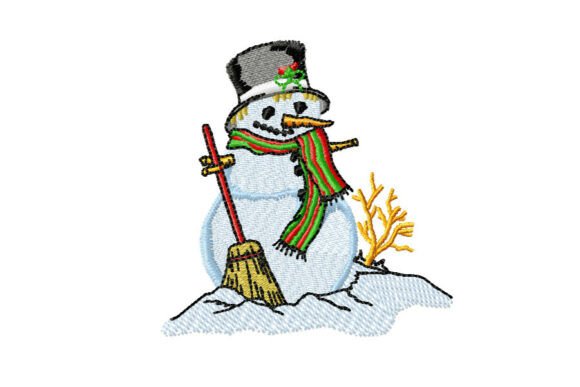
The immediate impression of this design is one of cozy, traditional warmth. It does not rely on overly complex gradients or microscopic details that vanish under the needle. Instead, it offers a clean, recognizable silhouette that reads well from a distance. At 3.53 x 3.59 inches (or 90 x 92 mm), the scale is versatile. It is large enough to be a focal point on a tote bag but compact enough to sit comfortably on the chest of a sweatshirt without overwhelming the garment.
The layout feels balanced. In embroidery, negative space is just as important as the stitches themselves. This design respects the fabric, allowing the texture of the material to breathe between the stitch types. For a Christmas theme, it avoids the cluttered look that plagues so many seasonal files, opting instead for a classic aesthetic that fits seamlessly into both modern minimalist homes and traditional holiday decor.
Real-World Application: The Tote Bag Test
To truly evaluate an embroidery design, you have to imagine it in a real product scenario. I recently considered this file for a batch of custom canvas tote bags intended for a local boutique’s holiday gift-with-purchase campaign. The goal was to create a handmade product that felt premium yet approachable.
With a stitch count of 11,946, this design sits in a moderate density range. For a sturdy canvas tote, this is ideal. It provides enough coverage to look substantial and high-value without creating excessive pull that might distort the bag’s structure. If I were using this on a lighter fabric, such as a cotton tea towel or a baby onesie, I would pay close attention to my stabilizer choice. However, for standard apparel and home decor items, the density suggests a durable finished product that can withstand handling.
I envision this working exceptionally well as sweatshirt embroidery. The square-ish footprint of the 90 x 92 mm size centers beautifully on the left chest or as a larger back piece. It creates a cohesive look for custom apparel lines, whether for family matching sets or small business merchandise. The design’s clarity ensures that even after multiple washes, the snowman remains distinct and charming, maintaining customer trust in the quality of the item.
Technical Performance and Stitch Clarity
From a technical standpoint, the transition between stitch types is where a design proves its worth. While I cannot inspect the exact sequence without running the machine, the visual output suggests a smart mix of fill stitch for the body and satin stitch for accents. This combination is crucial for preventing thread breaks and ensuring smooth coverage.
For Etsy sellers and craft business owners, stitch clarity translates directly to perceived value. A muddy design looks amateurish; a crisp design looks professional. This snowman appears to have well-defined edges, which is essential when working with contrasting thread colors. I recommend testing high-contrast combinations, such as white thread on navy blue fabric, to see how the edges hold up. The design seems robust enough to handle these contrasts without losing its shape.
One practical note: always check the stitch density in your software before hooping. While 11,946 stitches is manageable, dense areas can cause puckering on stretchy fabrics. If you are planning to use this on a knit t-shirt or a baby embroidery project, a cut-away stabilizer is non-negotiable. For woven fabrics like aprons or pillow covers, a tear-away may suffice, but testing on scrap fabric is the only way to be sure.
Navigating Fabric and Hoop Constraints
No design is universal, and understanding where to use caution is part of professional practice. This Snowman Christmas Embroidery Design is sized for a standard 4x4 or 5x7 hoop, depending on your machine’s capabilities. However, because it approaches the 4-inch mark in both dimensions, you must be precise with your hooping. There is little room for error if you are using a smaller 4x4 hoop, so ensure your fabric is drum-tight.
Be cautious with textured fabrics. The design’s details might get lost in a thick terry cloth towel or a fuzzy fleece blanket. It shines best on smooth to medium-texture materials like cotton, linen, denim, and canvas. If you are attempting embroidered patch creation, this design is a strong candidate because the shapes are solid and contiguous, making it easier to cut around after stitching.
Additionally, consider the background color. While snowmen are traditionally white, using white thread on white fabric requires excellent lighting and high-quality thread to show definition. For holiday embroidery projects intended for sale, I often recommend using off-white or cream thread on darker backgrounds to create a vintage, nostalgic feel that appeals to buyers looking for unique personalized gifts.
Commercial Viability and Brand Consistency
For digital embroidery file users and small shop product creators, consistency is key. This design offers a reliable aesthetic that can anchor a holiday collection. Whether you are creating printable mockup images for your online store or stitching actual inventory, the design’s predictable outcome helps maintain brand consistency.
It fits naturally into various categories: Christmas home decor, New Year s decor, and even everyday clothes with a festive twist. Its versatility allows it to be marketed across different niches, from nursery decor to kitchen textiles. This broad appeal can increase buyer engagement and expand your potential customer base.
Before selling any commercial embroidery items, always confirm the licensing terms of the embroidery file. Ensure that your use case—whether selling physical goods or digital assets—aligns with the creator’s permissions. This due diligence protects your business and ensures ethical practice within the maker community.
Final Designer Notes
To get the best results from this embroidery project, follow these practical steps:
- Test on Scrap: Always run a test stitch-out on the same fabric and stabilizer combination you plan to use for the final product.
- Check Contrast: View your design in black and white on your screen to ensure the details are visible without color reliance.
- Stabilizer Selection: Match your stabilizer to your fabric weight. Heavier fabrics need less support; knits need more.
- Hoop Size Confirmation: Verify that your machine’s hoop can accommodate the 90 x 92 mm size with adequate margin.
- Thread Quality: Use high-quality polyester or rayon thread to reduce breaks and enhance sheen.
In conclusion, the Snowman Christmas Embroidery Design is a solid addition to any designer’s library. It balances charm with technical practicality, making it suitable for a wide range of design assets and physical products. By respecting its size constraints and choosing the right materials, you can create stunning, professional-quality items that delight customers and elevate your brand.